
Every parent wants to give their child the best possible start in life, but the path to long-term success isn’t built on a single decision. It’s shaped over time through a series of choices: where your child learns, how they spend their time outside the classroom, and the environments that influence their growth.
From early childhood through the teenage years, each stage presents an opportunity to build confidence, curiosity, and resilience. The combination of strong academic foundations and meaningful enrichment experiences can significantly impact not only how a child performs in school but also how they approach challenges, relationships, and future goals.
This guide breaks down how to make thoughtful, strategic decisions at every stage of your child’s development-so you can support both their academic success and personal growth for years to come.
Why Early Experiences Matter More Than Most Parents Realize
The earliest years of a child’s life lay the groundwork for everything that follows. During this stage, children are developing core cognitive abilities, emotional awareness, and social habits that influence how they learn and interact in future environments. Many parents underestimate how much these early experiences shape long-term outcomes. The choices you make during this phase can either accelerate your child’s development or create gaps that are harder to close later.
Programs like pre k play a critical role in developing cognitive abilities, emotional intelligence, and social skills. During this stage, children begin forming habits that can carry through their entire academic journey. Choosing the best private preschool is not just about academics-it’s about environment, structure, and support.
Build Strong Foundations Before Kindergarten Even Starts
Children who are exposed to structured learning early tend to:
- Develop stronger language and communication skills
- Show better problem-solving abilities
- Adapt more easily to classroom routines
Look for programs that balance:
- Guided learning activities
- Creative play
- Social interaction opportunities
Evaluate Class Size, Teacher Attention, and Curriculum Style
Smaller class sizes often allow for:
- More personalized attention
- Faster identification of learning challenges
- Stronger teacher-student relationships
When visiting schools, ask:
- How do teachers support different learning speeds?
- What does a typical day look like?
- How is progress communicated to parents?
Focus on Social Skills as Much as Academics
Long-term success isn’t just about test scores. Early education should also help children:
- Build confidence in group settings
- Learn how to share, collaborate, and communicate
- Develop emotional regulation
These soft skills often become the differentiator later in life.
Investing in early education is one of the most impactful decisions you can make as a parent. The right environment doesn’t just prepare your child for kindergarten-it shapes how they think, interact, and approach learning for years to come. By focusing on both academic and social development, you set a strong foundation that supports long-term success. Taking the time to evaluate programs carefully now can pay off significantly in the future.
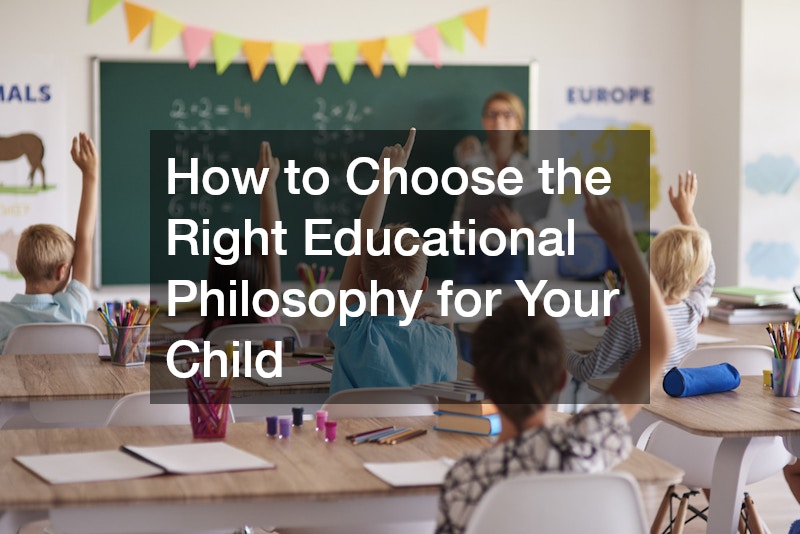
How to Choose the Right Educational Philosophy for Your Child
Every child learns differently, which is why choosing the right educational philosophy is so important. Some thrive in structured environments with clear expectations, while others excel when given independence and flexibility. Understanding these differences allows you to make more informed decisions that align with your child’s natural tendencies. Rather than following trends, the goal should be finding a learning approach that supports both growth and confidence.
Many parents explore the best Montessori schools because they emphasize independence and self-paced learning. Others prefer a more structured private school education that provides clear benchmarks and guidance.
Understand the Differences Between Structured vs. Self-Directed Learning
Montessori-style environments often:
- Encourage hands-on exploration
- Allow children to move at their own pace
- Focus on intrinsic motivation
Traditional models tend to:
- Follow a set curriculum
- Emphasize measurable outcomes
- Provide more direct instruction
Match Teaching Style to Your Child’s Personality
Ask yourself:
- Does your child thrive with structure or flexibility?
- Do they enjoy independent exploration or guided instruction?
Look Beyond Academics-Focus on Whole-Child Development
The right educational philosophy should also support:
- Creativity and critical thinking
- Emotional intelligence
- Problem-solving skills
Choosing the right philosophy is less about what’s popular and more about what works best for your child. When learning environments align with a child’s personality and strengths, they are more likely to stay engaged and motivated. Over time, this alignment leads to better academic performance and stronger personal development. Taking a thoughtful approach now can help ensure your child thrives in the years ahead.
What to Look for When Evaluating Local School Options
As your child progresses through school, your priorities will naturally evolve. Academic rigor becomes more important, but so does emotional support and social development. Evaluating schools at this stage requires a more holistic approach that goes beyond surface-level comparisons. The goal is to find an environment where your child can grow both academically and personally.
Choosing the best local private school involves more than comparing rankings-it’s about finding the right fit. The transition into private middle school is especially important, as it’s a time when academic expectations and social dynamics shift significantly.
Prioritize Community, Culture, and Values Alignment
Pay attention to:
- Teacher-student relationships
- Student engagement
- Overall school atmosphere
Review Academic Rigor Without Overlooking Student Support
Look for schools that offer:
- Academic assistance programs
- Counseling services
- Personalized learning options
Ask About Transition Support Between Grade Levels
Strong schools provide:
- Orientation programs
- Academic guidance
- Social-emotional support
Finding the right school at this stage can have a lasting impact on your child’s confidence and academic trajectory. It’s important to look beyond rankings and focus on the environment and support systems available. A well-rounded school experience helps students navigate challenges and build resilience. By taking the time to evaluate options carefully, you can make a decision that supports both immediate success and long-term growth.
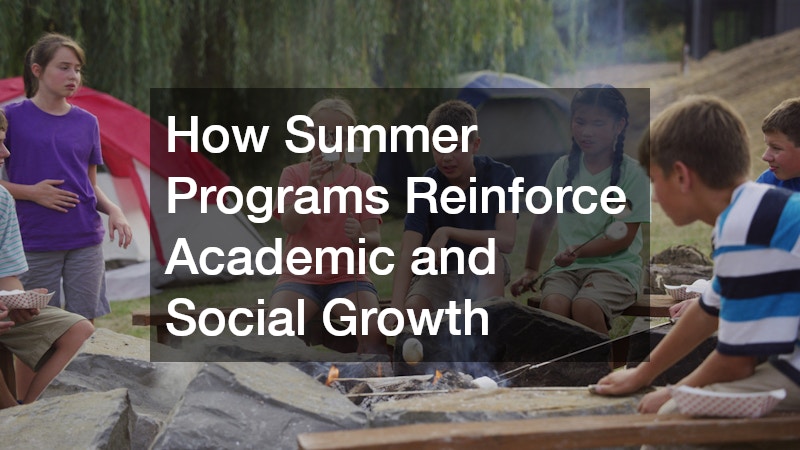
How Summer Programs Reinforce Academic and Social Growth
Summer presents a unique opportunity to support your child’s development in ways that differ from the traditional classroom. Without the pressure of grades and testing, children can explore new interests, build confidence, and strengthen skills in a more relaxed setting. When used intentionally, this time can reinforce learning and encourage personal growth. The key is choosing programs that offer both structure and flexibility.
A well-chosen summer camp for kids can reinforce skills, build confidence, and expose children to new experiences. The best summer camps strike a balance between structure and freedom.
Choose Programs That Balance Learning and Fun
Look for:
- Creative activities
- Physical movement
- Light academic engagement
Use Summer to Strengthen Weak Areas Without Burnout
Focus on:
- Reading habits
- Hands-on learning
- Social interaction
Prioritize Skill-Building Over Just Filling Time
Programs should encourage:
- Leadership
- Teamwork
- Independence
Summer should be more than just a break-it’s a chance to help your child grow in new and meaningful ways. The right programs can build confidence, reinforce skills, and spark new interests that carry into the school year. By choosing thoughtfully, you can turn these months into a powerful extension of your child’s development. Over time, these experiences can play a key role in shaping long-term success.
Creating a Year-Round Learning Strategy for Your Child
Successful students aren’t built through isolated decisions-they’re shaped by consistent, intentional planning over time. A year-round approach to learning ensures that each stage builds on the last, creating a cohesive path forward. This kind of strategy allows parents to be proactive rather than reactive. It also helps children develop habits and skills that support long-term achievement.
A thoughtful approach to private school education ensures continuity and growth across each stage. Planning ahead also helps prepare for transitions into the best private high school environments.
Think Long-Term Instead of Year-to-Year Decisions
Create a roadmap that includes:
- Academic goals
- Skill development
- Extracurricular involvement
Align Summer Activities With School-Year Goals
Ensure consistency by:
- Reinforcing weak areas
- Supporting strengths
Prepare Early for High School Expectations and Opportunities
Focus on:
- Study habits
- Time management
- Leadership opportunities
Taking a long-term approach allows you to make more strategic decisions that benefit your child over time. Instead of reacting to challenges as they arise, you can proactively guide their development. This consistency helps build confidence, discipline, and a stronger sense of direction. Ultimately, a well-planned strategy can make a significant difference in your child’s academic and personal success.
How to Evaluate Schools Without Getting Overwhelmed
With so many options available, choosing the right school can feel overwhelming. It’s easy to get caught up in rankings, opinions, and endless comparisons. However, simplifying your decision-making process can make it much more manageable. By focusing on what truly matters, you can make confident and informed choices.
Whether you’re choosing the best private preschool or evaluating the best local private school, clarity is essential.
Narrow Down Options Using Clear Criteria
Focus on:
- Location
- Class size
- Philosophy
- Programs
Tour Schools With Purpose
Observe:
- Classroom engagement
- Teacher interaction
- Student behavior
Talk to Other Parents-but Filter the Noise
Use feedback wisely and:
- Look for patterns
- Avoid relying on one opinion
Making a decision doesn’t have to feel overwhelming when you approach it with clarity and purpose. By narrowing your focus and asking the right questions, you can confidently evaluate your options. Remember that the best choice is the one that fits your child’s unique needs. With a thoughtful approach, you can find a school that supports both growth and success.
Common Mistakes Parents Make (and How to Avoid Them)
Even with the best intentions, parents can make decisions that don’t fully support their child’s needs. These mistakes often come from external pressure, limited information, or trying to do too much at once. Recognizing these pitfalls can help you make more thoughtful and effective choices. Avoiding them can significantly improve your child’s experience and outcomes.
Transitions into private middle school or the best private high school often require early planning and thoughtful decision-making.
Choosing Based Only on Rankings
Focus on:
- Fit and environment
- Support systems
Overloading Kids With Activities
Prioritize:
- Balance
- Quality over quantity
Waiting Too Long to Plan Transitions
Start early to:
- Avoid missed opportunities
- Reduce stress
Avoiding common mistakes can make a meaningful difference in your child’s educational journey. By focusing on fit, balance, and early planning, you can create a more supportive and effective path forward. These adjustments may seem small, but they can have a lasting impact over time. Thoughtful decision-making helps ensure your child remains engaged, confident, and prepared for future challenges.
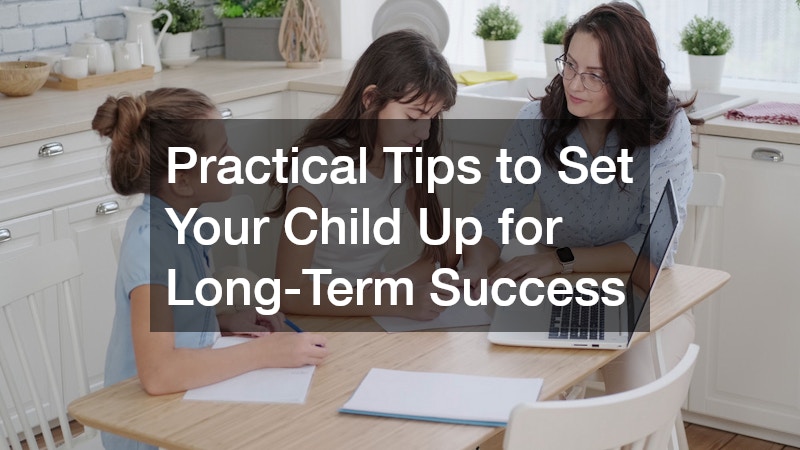
Practical Tips to Set Your Child Up for Long-Term Success
Setting your child up for success doesn’t require perfection-it requires consistency, awareness, and adaptability. The habits and routines you build over time can shape how your child approaches learning and challenges. By focusing on small, intentional actions, you can create an environment that supports growth at every stage. These everyday choices often have the biggest long-term impact.
Whether your child is in pre k or attending a summer camp for kids, small daily actions can make a big difference.
Start Early but Stay Flexible
- Build habits early
- Adapt as needed
Encourage Curiosity and Independence
- Let kids explore
- Support problem-solving
Stay Involved Without Micromanaging
- Provide guidance
- Allow autonomy
Long-term success is built through consistent support and thoughtful guidance. By focusing on daily habits and maintaining flexibility, you can help your child develop confidence and independence. These qualities will serve them well throughout their academic journey and beyond. With the right balance of involvement and freedom, you can create a strong foundation for lifelong success.
How to Build a Consistent Path That Supports Lifelong Success
The path to your child’s long-term success isn’t defined by a single school or program-it’s shaped by the combination of experiences, environments, and support systems you choose along the way.
By focusing on fit, balance, and intentional decision-making, you can create a learning journey that supports both academic achievement and personal growth. The goal isn’t to follow a perfect formula, but to remain thoughtful, adaptable, and aligned with your child’s unique needs.
When you approach each stage with clarity and purpose, you’re not just choosing schools or programs-you’re building a foundation for a lifetime of success.
